By Ugochukwu Ugwuanyi
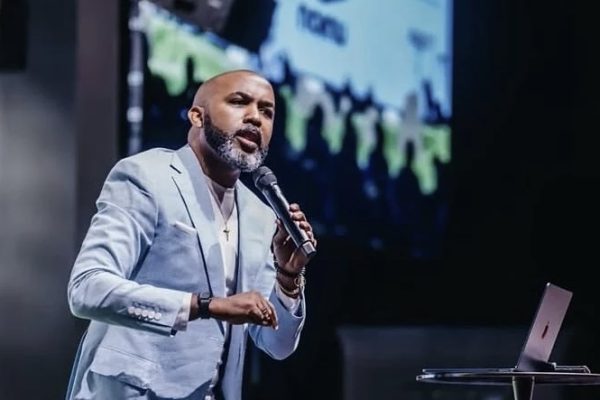
Recent calls for national prayer by gospel artist and pastor Nathaniel Bassey have sparked discussion about the role of faith in addressing Nigeria’s challenges. Speaking during one of his Hallelujah Challenge sessions, he expressed concern over the country’s condition despite widespread religious activity, urging Nigerians to pray for national renewal before focusing on personal needs.
His appeal arrived at a moment of heightened political debate, particularly around amendments to Nigeria’s Electoral Act and broader concerns about democratic credibility. For some observers, the timing reinforced the argument that spiritual intervention remains essential. For others, it raised questions about whether prayer alone can address structural political problems.
The tension between these perspectives is not new.
Prayer as National Response
In many religious traditions, collective prayer has historically been seen as a response to crisis. Biblical narratives often describe prophets mourning over the condition of their societies, expressing grief not only for personal loss but for moral or national decline. Within Christian theology, such intercession is understood as an act of compassion and responsibility rather than withdrawal from reality.
For believers who share this worldview, prayer represents participation in change, not avoidance of it.
Civic Engagement and Structural Reform
At the same time, Nigeria’s political environment continues to generate strong calls for institutional reform. Civil society organizations, opposition voices, and policy advocates have argued that credible electoral processes are essential for national progress. Debates surrounding electoral legislation have therefore become symbols of wider concerns about governance, accountability, and citizen confidence.
From this perspective, activism and policy reform are practical tools for shaping national outcomes.
The coexistence of these approaches often produces friction. Some citizens emphasize spiritual solutions, while others prioritize institutional action. Yet both emerge from a shared desire for improvement.
Faith and Political Reality
Religion plays a central role in Nigerian public life, influencing how many citizens interpret national events. For some, political setbacks reinforce the belief that deeper moral or spiritual issues are at work. Others interpret the same events through economic or institutional analysis.
These perspectives do not necessarily cancel each other out. Throughout history, societies have combined spiritual practices with civic engagement, seeing them as complementary rather than competing forces.
A Broader Reflection
The debate surrounding national prayer ultimately reflects deeper questions about agency and responsibility. When political systems appear resistant to reform, citizens may turn to faith for hope. When religious language dominates public discourse, others may push for tangible policy action.
Nigeria’s future likely depends on both dimensions, spiritual conviction and practical governance.
Moments like this invite reflection on how communities balance belief with responsibility, prayer with participation, and hope with action.
Editor’s Note
This article is published under Faith & Culture. The views expressed are those of the author and do not necessarily reflect the editorial position of Mirror African Diaspora.
Author Bio
Ugochukwu Ugwuanyi is a Sage, Storyteller, and Media Trainer who writes on faith, culture, and society. He welcomes readers’ feedback via email at ugovesterugwuanyi@gmail.com and on X (formerly Twitter) @sylvesugwuanyi.