
By Ugochukwu Ugwuanyi
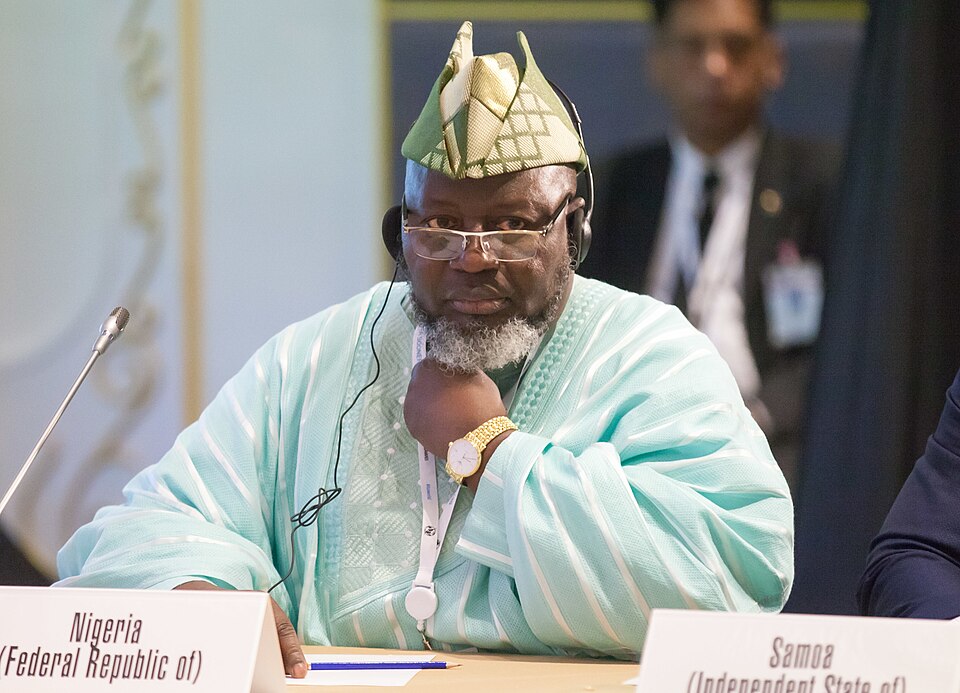
Former Nigerian communications minister Adebayo Shittu recently reflected on his years in politics and offered a remark that has resonated with many people of faith.
According to Shittu, if even a fraction of the effort invested in political ambition were directed toward serving God, the rewards would be greater. The statement came as he announced a renewed focus on religious commitment after years in public life.
Beyond its religious implications, the comment raises a broader question: what can faith communities learn from the discipline, persistence, and dedication often displayed in politics?
The Power of Commitment
Politics demands extraordinary levels of commitment. Candidates, supporters, and party structures invest time, energy, resources, and personal sacrifice in pursuit of their goals.
Regardless of political affiliation, few would dispute the intensity with which many politicians and their supporters pursue success.
For believers, this observation provides an interesting point of reflection. If individuals can demonstrate such persistence in pursuing earthly ambitions, what does that suggest about commitment to spiritual convictions?
Faith and Purpose
Many religious traditions encourage consistency and dedication. Christian teachings, for example, frequently emphasize perseverance, service, and the pursuit of higher purpose.
This does not necessarily mean withdrawing from public life or abandoning professional ambitions. Rather, it suggests aligning one’s values with one’s actions.
In this sense, faith becomes less about isolated acts of devotion and more about a sustained way of living.
Balancing Faith and Daily Life
One of the enduring challenges for believers is balancing spiritual commitments with professional responsibilities.
Critics sometimes assume that strong religious commitment distracts from productivity or career advancement. Yet examples throughout history suggest that faith and professional excellence are not always in conflict.
For many believers, spiritual discipline provides structure, motivation, and ethical grounding that can positively influence performance in other areas of life.
Service Beyond the Individual
The article also raises an important idea about influence. Religious traditions often teach that personal faith can have effects beyond the individual, shaping families, workplaces, and communities.
Whether one interprets this spiritually or socially, the principle remains significant: commitment tends to influence environments.
Dedicated individuals often bring stability, purpose, and direction to the institutions and communities they serve.
A Reflection on Priorities
At its heart, Shittu’s observation is less about politics than priorities.
It invites readers to consider where they invest their time, energy, and attention. It challenges believers to examine whether their actions reflect the values they profess.
While opinions may differ on the extent of commitment required, the broader lesson remains relevant: meaningful outcomes, whether spiritual or secular, rarely emerge without dedication.
Conclusion
The comparison between politics and faith may seem unusual, but it offers a useful lens through which to examine commitment.
In a culture often defined by competing demands, the question is not simply what people believe, but what they are willing to devote themselves to.
For many believers, that remains one of faith’s most enduring challenges.
Editor’s Note
This article is published under Faith & Culture. The views expressed are those of the author and do not necessarily reflect the editorial position of Mirror African Diaspora.
Author Bio
Ugochukwu Ugwuanyi is a Sage, Narrative Architect, and Branding Strategist who writes on faith, culture, and society. He welcomes readers’ feedback via email at nmiringwu@gmail.com and on X (formerly Twitter) @sylvesugwuanyi.
